What are peptides? A plain-English guide to the science, the approved drugs, and the research peptides
The short answer
A peptide is a short chain of amino acids, the same building blocks that make up proteins, a peptide is just a much shorter chain. Your body makes peptides constantly; insulin and GLP-1 are both natural peptides. Some peptide medicines carry full FDA approval, including insulin and GLP-1 receptor agonists like semaglutide (Ozempic, Wegovy) and tirzepatide (Mounjaro, Zepbound). Many other peptides sold online are unapproved compounds labeled 'research use only,' which are not authorized for human use and are not the same thing as an approved medicine.
“What are peptides?” is one of those questions where the honest answer is both simpler and more complicated than the internet makes it sound. Simpler, because a peptide is just a short chain of amino acids, nothing exotic. More complicated, because the word “peptides” now gets used to describe two very different things: a group of rigorously tested medicines that carry full FDA approval and that you may already take, and a sprawling online market of unapproved compounds sold with a “research use only” label. This page is the cross-therapy explainer that keeps those two worlds straight, cites real sources for every claim, and refuses to blur the line between them.
What is a peptide, in plain terms?
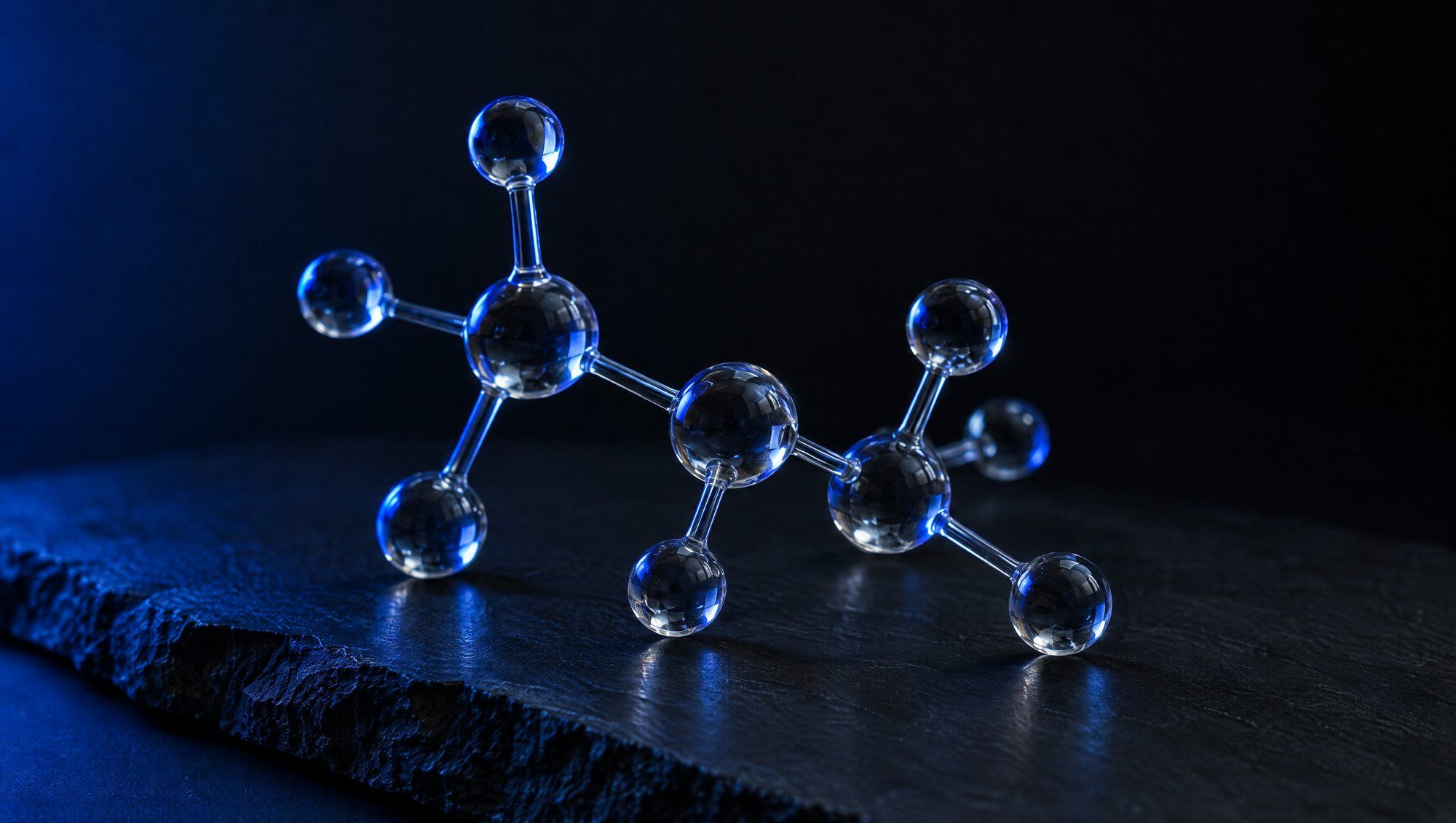
A peptide is a short chain of amino acids. Amino acids are the building blocks of protein, so the cleanest way to picture it is a scale: amino acids are single beads, peptides are short strings of beads, and proteins are long strings of the same beads. As NewYork-Presbyterian’s Health Matters explains, quoting endocrinologist Dr. Goldwaser, “A peptide is a small chain of amino acids, and amino acids are the building blocks of protein.”
Your body makes peptides all the time, and many of them are hormones and signaling molecules that run everyday biology. That is the important part most marketing skips: peptides are not a novel class of supplement someone invented recently. They are a fundamental category of biological molecule. “Peptide” is, as the same article puts it, an umbrella term for thousands of different molecules with very different jobs. Two of the most famous are insulin and GLP-1, and both are peptides your own body already produces. Not every peptide your body makes is a hormone, either: glutathione, a tripeptide of three amino acids, is the body’s main built-in antioxidant, and it is sold both as an oral dietary supplement and as an unapproved injectable, a very different regulatory story that our glutathione overview tells in full.
What is the difference between a peptide and a protein?
The difference is mostly length. Both are made of amino acids linked together; a peptide is the short chain and a protein is the long one. There is no single universally fixed cutoff that everyone agrees on, but in practice “peptide” refers to the shorter molecules and “protein” to the larger, folded ones. A published review of therapeutic peptides describes them as “medium-sized molecules, situated between small molecules and large antibodies,” which is a useful way to place them: bigger and more specific than a typical small-molecule pill, but smaller and simpler than a full antibody biologic.
That in-between size is exactly why peptides are useful as medicines. They can be specific enough to hit one target well, while still being small enough to manufacture at scale. Insulin, a peptide made of 51 amino acids in two linked chains, has been a manufactured medicine for roughly a century, a reminder that “peptide drug” is old, established pharmacology, not a fad.
Are GLP-1 drugs like semaglutide actually peptides?
Yes. This surprises a lot of people, so it is worth stating plainly: the blockbuster GLP-1 medicines are peptides, and they hold full FDA approval. GLP-1 (glucagon-like peptide-1) is itself a natural peptide your gut releases after you eat. The medicines, semaglutide and tirzepatide, are engineered peptide analogues built to resemble that natural signal closely while lasting far longer in the body. The same therapeutic-peptide review notes that GLP-1 and GIP analogues “share a structural resemblance of approximately 90% to the native GLP-1 and GIP,” which is what lets them act as agonists at the same receptors.
As NewYork-Presbyterian’s endocrinologists summarize, “Insulin and GLP-1s are peptides, and in those cases, we have clear, scientific data showing they work.” The brand names are ones you have heard: semaglutide is sold as Ozempic (approved for type 2 diabetes) and Wegovy (approved for chronic weight management), and tirzepatide is sold as Mounjaro (type 2 diabetes) and Zepbound (chronic weight management). These are genuinely FDA-approved products, and it is accurate to call them that. If you want the specific comparison between the two molecules, our sister publication covers semaglutide versus tirzepatide in detail.
The takeaway from this section is the one the rest of the page builds on: “it’s a peptide” tells you about the chemistry, not the approval status. Some peptides are approved drugs. Others are not. The word alone does not tell you which.
Which peptides are approved by the FDA?
A meaningful list of peptide medicines has gone through the full FDA approval process, and none of them are the compounds most heavily marketed in online “peptide” circles. Across decades, a substantial number of peptide-based drugs have cleared the full FDA approval process, spanning multiple therapeutic areas, including metabolic disease, bone disease, oncology, and hormone disorders. A few concrete, verifiable examples:
- Insulin, the original approved peptide drug, in continuous therapeutic use for about a century.
- GLP-1 receptor agonists, semaglutide (Ozempic, Wegovy) and tirzepatide (Mounjaro, Zepbound), approved for type 2 diabetes and/or chronic weight management.
- Tesamorelin (brand Egrifta), a growth-hormone-releasing-hormone analogue. Its approved use is narrow: reducing excess abdominal fat in people with HIV-associated lipodystrophy. It is explicitly not indicated for general weight loss.
- Bremelanotide (brand Vyleesi, also known as PT-141), a melanocortin agonist approved for one indication only: acquired, generalized low sexual desire (HSDD) in premenopausal women.
Notice the pattern. Every one of these cleared the approval process for a specific, tightly bounded indication, under a brand name, after clinical review. That is what an approved peptide medicine actually means. It does not mean the whole category is open, and it does not mean a peptide with the same name bought from an online vendor is the same product.
One peptide often listed as “approved” deserves a correction: sermorelin, once sold as Geref, is frequently described online as carrying FDA approval. It is not, today. Its approval was withdrawn in 2009 for business reasons (the FDA later confirmed it was not withdrawn for safety or effectiveness), so there is no marketed, FDA-approved sermorelin product now. The precise phrasing matters: “formerly approved, withdrawn 2009” is accurate; “FDA-approved” is not.
What are “research peptides,” and how are they different?
Alongside the approved medicines is a large and largely unregulated market of peptides sold with labels like “research use only” or “not for human use.” These are the compounds most peptide forums are actually talking about, BPC-157, TB-500, MOTS-C, epitalon, semax, KPV, DSIP, and others. For a full profile of the most-searched of them, see our BPC-157 overview, our MOTS-c overview for the mitochondrial “exercise” peptide, or our KPV overview for the anti-inflammatory tripeptide most discussed for gut and immune research, our epitalon overview for the pineal, anti-aging tetrapeptide, our Semax overview for the Russian-developed nootropic heptapeptide, our DSIP overview for the sleep-and-stress peptide, or our Selank overview for the tuftsin-derived peptide studied as an anxiolytic and nootropic. For a growth-factor peptide from the same unapproved market, but marketed for muscle rather than the brain or gut, see our PEG-MGF overview on the pegylated mechano growth factor. For a melanocortin peptide from that same unapproved market, marketed for tanning and libido and carrying serious documented risks, see our Melanotan II overview, where safety is the center of the page. The single most important thing to understand is that the “research use only” label is not a quality tier or a wellness endorsement. It is a disclaimer that the product is not approved for human use and is being sold for laboratory purposes. A separate, reproductive-axis case is kisspeptin-10, a neuropeptide studied mainly in supervised human fertility and sexual-desire trials rather than sold chiefly on physique forums; it too is not FDA-approved, and our kisspeptin-10 overview explains what that research does and does not show.
The practical consequences are significant. As NewYork-Presbyterian’s clinicians put it, “Research-grade peptides are largely unregulated for human use in terms of sterility, purity and safety” compared with the approved medicines. With an approved medicine, by contrast, “what you buy, what’s in the bottle, is actually what’s on the label and nothing else.” A vial from a research-peptide vendor carries no such guarantee of identity, dose accuracy, or sterility. Our companion explainer breaks down exactly what that label does and does not mean: research-use-only peptides, explained. When a clinic or app advertises “peptide therapy,” it is usually this group it means; our guide to what peptide therapy actually covers sorts the common offerings by how much evidence sits behind each one.
The honest landscape, side by side
The reason “what are peptides?” is so easy to get wrong is that the single word spans a spectrum from century-old approved medicine to unregulated online compound. Here is the map.
| Group | Examples | Status | What that means for you |
|---|---|---|---|
| Long-approved peptide drugs | Insulin | Holds FDA approval | Rigorously tested; identity and dose guaranteed; prescribed for defined uses. |
| Approved GLP-1 peptides | Semaglutide (Ozempic, Wegovy), tirzepatide (Mounjaro, Zepbound) | Approved by the FDA for diabetes and/or weight management | Genuine approved products; accurate to call them approved. |
| Narrow-indication approved peptides | Tesamorelin (Egrifta), bremelanotide (Vyleesi/PT-141) | Approved by the FDA for one specific indication each | Approved, but only for a tightly defined use and population. |
| Formerly approved | Sermorelin (Geref) | Approval withdrawn 2009 (business reasons) | No marketed approved product today; “approved” is inaccurate now. |
| Unapproved “research” peptides | BPC-157, TB-500, MOTS-C, epitalon, semax, KPV, DSIP | Not approved by the FDA | Mostly preclinical evidence; quality, purity and dose not guaranteed. |
| Unapproved GH and immune peptides | CJC-1295, ipamorelin, thymosin alpha-1 | Not approved by the FDA | Thin human evidence for the uses marketed online; quality not guaranteed. |
The rows are not interchangeable. The existence of the approved rows does not make the unapproved rows safe or proven, and the marketing that treats “peptide” as one uniform, blessed category is precisely the move this table is built to interrupt.
What this means if you are researching peptides
If you arrived here because you are considering a specific peptide, the most useful thing this page can do is give you an accurate frame before you evaluate anything. Three honest points.
First, “peptide” is a chemistry word, not a safety label. Insulin and a research-use-only vial can both be truthfully called peptides, and that shared word tells you nothing about whether a given product is tested or right for you.
Second, if a peptide is a medicine with full FDA approval, as the GLP-1 drugs and insulin are, the appropriate path is a licensed provider who can confirm the diagnosis, the indication, and the monitoring. Approved does not mean unsupervised.
Third, if a peptide is in the unapproved “research use only” group, the label is a warning, not a workaround. It signals no guarantee of what is in the vial and no authorization for human use, and what the evidence shows on peptide side effects details both the documented risks of the approved drugs and the unknowns of the research compounds. The safer first move is a conversation with a clinician about your underlying goal, recovery, sleep, metabolic health, whatever it is, so a professional can weigh which tested options actually fit, which may be an approved medication rather than the specific peptide in a headline.
This page exists to give you the map, not to sell you a shortcut through it. The peptide world is real, useful, and in parts genuinely well-evidenced; it is also, in other parts, an unregulated market wearing the same word. Knowing which is which is the entire point.
How to keep up as the science and rules change
Two things are moving at once here. The science of therapeutic peptides is expanding, with new approved drugs entering the market and new trials of the research compounds, and the status of individual unapproved peptides shifts as the FDA reviews them. This page is written as a living document that we update as approvals post, and for the status side, the network keeps one place to check rather than repeating it on every page.
Status: It differs by substance. Our peptide status explainer gives one dated, plain-English line for each peptide named on this page.
Educational information only, not medical advice. Every scientific statement on this page is sourced to the FDA, DailyMed, peer-reviewed or clinician-reviewed references linked above. Updated October 12, 2026.
Sources (5)
Advertising disclosure: links marked "Paid link" go to Bodybuilding Peptides (trybbpeptides.com), an affiliate destination, and The Treatment Report may earn a commission if you buy there. Our coverage is independent of that relationship, and nothing on this page is medical or legal advice.